5 Ways to Make Every Tasting Room Visit Count
Turning Fewer Visitors Into Loyal Customers
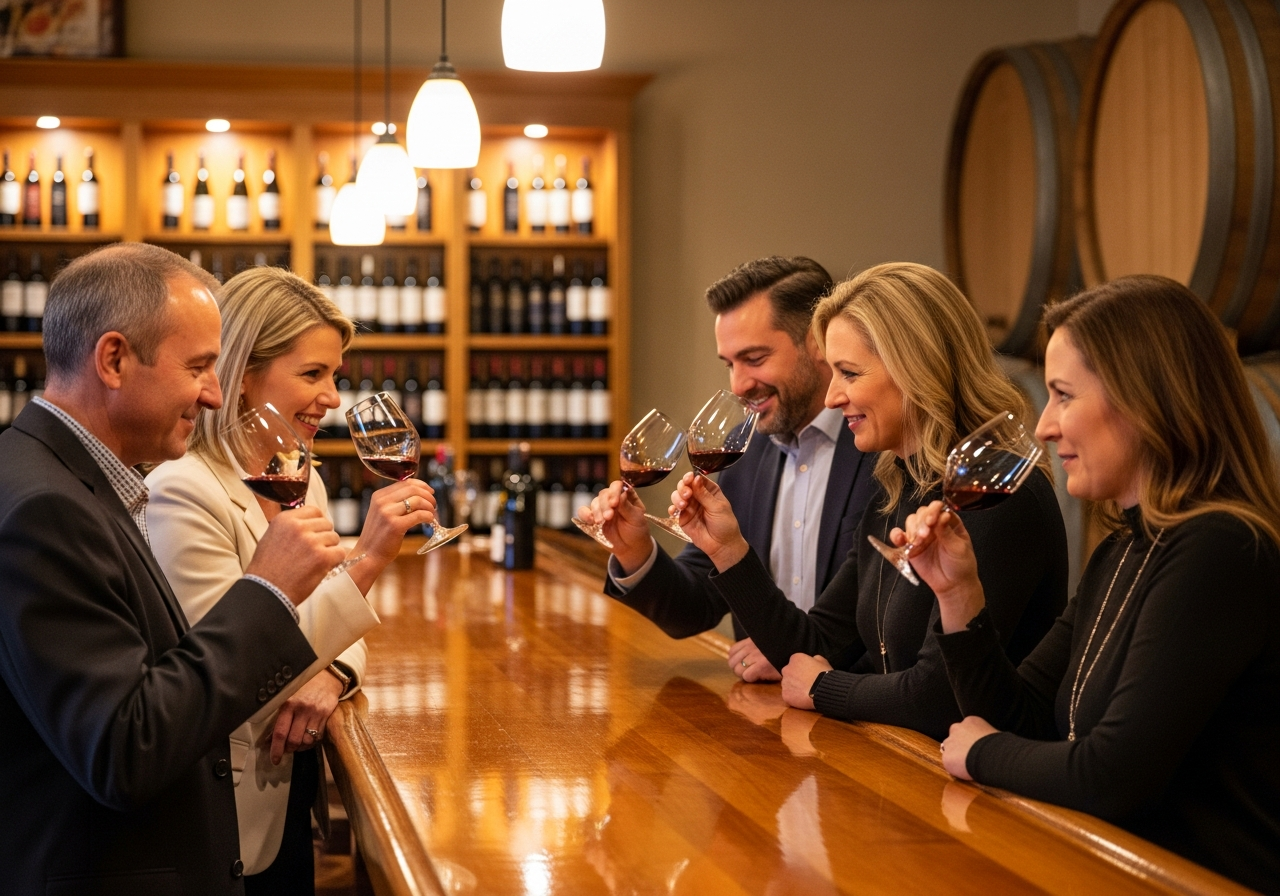
Let's talk about the elephant in the tasting room: traffic is down. Way down. Sonoma County saw tasting room visits drop from 1,098 per site in 2019 to just 550 in early 2025—a 50% decline. If you're a small family winery, you're feeling this acutely. Every guest who walks through your door is increasingly precious.
But here's the flip side: while foot traffic declined, direct-to-consumer wine sales grew steadily. Guests are buying—they're just more selective about where they visit. The wineries thriving right now aren't the ones chasing volume; they're the ones maximizing every single interaction.
After a decade in California wine country and countless conversations with winery owners, I've seen what separates memorable visits from forgettable ones. Here are five practical strategies to make every tasting room visit count.
1. Capture Contact Information—Before They Leave
This sounds obvious, but too many wineries rely on clipboard sign-ins that guests skip or wine club signup sheets that feel too committal. By the time someone's finishing their last pour, they're ready to move on to the next winery. You need a frictionless way to stay connected.
What works: QR codes at the tasting bar that let guests opt into your mailing list with one tap. No app downloads, no lengthy forms—just "Scan here to get wine notes and pairing suggestions sent to your phone." You've now got their contact info and delivered immediate value.
The key is timing. Ask for contact information when guests are most engaged—right after they taste something they love, not on their way out the door when they're already mentally checking out.
2. Give Them Something Worth Taking Home
Paper tasting sheets end up in the recycling bin. We all know this. Guests leave with good intentions of remembering which wines they loved, but by the third winery of the day, it's all a blur.
What works: Digital wine information they can access later. Whether it's via QR code, email, or text message, give guests a way to revisit their tasting experience from home. Include tasting notes, food pairing suggestions, and a direct link to purchase.
Think about it: when a guest is sitting at home three weeks later trying to remember "that amazing Pinot we had in Sonoma," do you want them Googling wineries or pulling up your detailed wine page on their phone? Make it easy for them to find you again.
3. Train Your Staff to Tell Stories, Not Recite Specs
Guests don't need to know your fermentation temperatures or malolactic percentages (unless they specifically ask). What they remember are stories: the year you lost half the crop to wildfire smoke but salvaged enough to make a small-batch Zinfandel. The 90-year-old vines your grandfather planted. The winemaker who quit tech to follow his passion.
What works: Give your tasting room staff 2-3 memorable stories per wine. Not technical data dumps—actual stories with characters, conflict, and resolution. Train them to read the room and adjust their approach based on whether guests are wine nerds or casual tourists.
People buy wine from people they like. Your staff should be building relationships, not performing a monologue. Encourage questions. Share your family's history. Make the experience personal.
4. Create a Reason to Come Back
One-and-done visits are a wasted opportunity. The goal isn't just to sell wine today—it's to create a relationship that lasts years.
What works: Give guests a compelling reason to return. This could be access to library wines only available in the tasting room, advance notice of new releases, or exclusive events for returning visitors. Wine club membership is the traditional approach, but it's not the only one.
Consider seasonal reasons to return: "Come back in September for crush—we'll let you stomp grapes and taste the must." Or create a punch card system: "Visit four times this year, get a complimentary tasting for you and a friend." The specifics matter less than the invitation to continue the relationship.
5. Make It Easy to Purchase Later
Here's the uncomfortable truth: most tasting room guests don't buy wine on the spot. Maybe they're four wineries deep and their car is already full. Maybe they want to think about it. Maybe they're flying home and can't pack bottles.
The question is: how easy do you make it for them to purchase later?
What works: Remove every possible friction point from post-visit purchases. Send a follow-up email within 24 hours with direct links to your online store. Make sure your website is mobile-friendly (most people will shop from their phones). Offer free shipping on orders over a reasonable threshold.
Better yet, include a "buy now" link in any digital wine information you provide. When someone's showing their friend your wine page three months later, they should be able to order with two taps.
The Long Game
None of these strategies require massive investments or complete operational overhauls. What they require is intentionality. You're already providing great wine and hospitality—now it's about extending that experience beyond the tasting room walls.
The wine industry is adapting to a fundamental shift in consumer behavior. Fewer people are casually touring wine country, but the ones who do visit are more engaged and more likely to become loyal customers. Your job is to capture that engagement and nurture it long after they drive away.
In the end, it's not about chasing the visitor numbers of 2019. It's about building deeper connections with the guests you do have. Quality over quantity. Relationships over transactions. That's how small wineries not only survive but thrive.
Want to Keep the Conversation Going?
BibiVini helps California wineries turn tasting room visits into lasting relationships with mobile-friendly digital wine experiences. Learn more about how we can help your winery thrive.
About the Author: Pete is a Certified Sommelier with a decade of experience in California wine country. He holds a degree in Marketing and Psychology from Eastern Michigan University and founded BibiVini to help small wineries compete in the digital age.